Eamless Irregular Bold Polka Dot Design: A Versatile Pattern for Creators and Entrepreneurs
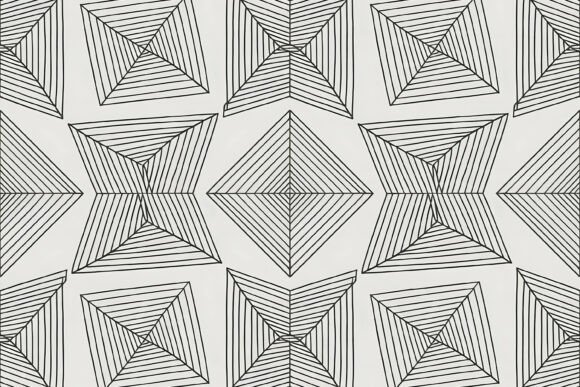
If you’ve been browsing for a pattern that manages to feel both timeless and unexpected, the Eamless Irregular Bold Polka Dot Design might be exactly what you need. At first glance, it’s a classic dot print. But look closer, and you’ll notice the spots aren’t perfectly spaced or sized the same way. They’re irregular, hand-drawn, and bold. That subtle imperfection gives the pattern a personality that rigid, computer-generated repeats often lack. Whether you’re designing a nursery wallpaper, building a digital product for KDP, or looking for a background that won’t fade into the background, this high-resolution vector (5760x5760px) offers a monochrome texture that works in both minimalist and rustic settings.
Why the Irregular Twist Matters in Everyday Design
Most polka dot patterns feel safe. They’re predictable. That’s great for some projects, but if you want something that catches the eye without screaming for attention, the irregular bold spots do that job well. The dots aren’t identical. Some are a little larger, a little more offset, and the overall composition feels organic. That Scandi-inspired simplicity combined with hand-drawn circle elements makes the pattern feel crafted rather than generated. For anyone who works with digital assets—whether you’re a small business owner designing your own product labels or a freelance artist building a pattern library—that human touch can make your work stand out.
Real Use Cases: Where This Pattern Fits Naturally
Let’s walk through some realistic situations where the Eamless Irregular Bold Polka Dot Design makes sense. This isn’t about hypothetical uses. These are the kinds of projects creative entrepreneurs tackle every week.
- KDP Interior Design and Low-Content Books – If you sell on Amazon KDP, you know that covers and interiors need to be visually appealing without overwhelming the main content. This dotted pattern works beautifully as a background for journal pages, planner inserts, or notebook covers. Its tileable nature means you can fill a full page spread without visible seams, and the irregular spots add just enough texture to keep the page from feeling flat. Many sellers use monochrome textures like this for gratitude journals or habit trackers, and the commercial use license gives you confidence to include it in your products.
- Nursery Décor with a Modern Edge – Parents and interior designers looking for a gender-neutral nursery pattern often fall back on stars or simple polka dots. This version offers something bolder but still soft. The monochrome palette works well with bright accent colors, and the irregular circles add visual interest without being busy. You could use it as removable wallpaper, a fabric pattern for a crib sheet, or even as digital art printed and framed. Because it’s high resolution, it scales down cleanly for smaller items like mobile phone cases or bibs.
- Rustic Fabric Design and Textile Surfaces – There’s a growing trend in handmade apparel and home textiles using “imperfect” prints. The hand-drawn quality of these dots gives fabric a slightly raw, artisan feel. That works for linen tote bags, cotton aprons, or even upholstery in a farmhouse-style chair. The tileable texture means you can repeat the pattern across yards of fabric without awkward mismatches. If you’re a surface pattern designer, this graphic can serve as a base layer that you layer other elements over—or use it on its own as a core print in your collection.
- Scrapbook Digital Paper and Craft Supplies – Paper crafters are always on the lookout for unique backgrounds. This dot pattern can be printed as scrapbook paper, used in digital layouts, or incorporated into printable stickers. The irregular spacing makes it easier to layer other embellishments on top without the dots clashing with your focal images. It’s also a safe choice when you need a background that won’t compete with photos or journaling.
- Wall Art and Print-on-Demand Designs – A standalone pattern print can work as wall art, especially if you frame it in a clean white or black frame. The monochrome look appeals to fans of minimalist, contemporary, or even pop art styles. With the high resolution, you can print it large without pixelation. That makes it suitable for gallery wraps or canvas prints. Sellers on platforms like Redbubble or Society6 could use this pattern as a repeat on duvet covers, throw pillows, or phone cases. The Dalmatian-print reference isn’t far off: these irregular dots create that same playful, spotted look that’s been popular in fashion and interiors for decades.
Who Benefits Most from This Graphic
Not every pattern works for every person. This one tends to attract two types of users: those who need a reliable, versatile background that won’t steal the spotlight, and those who want a pattern that feels distinctive without being loud. A blogger designing a simple website header might use it as a subtle backdrop. A stationery designer launching a collection of notecards could use it across multiple SKUs to create brand cohesion. Small business owners packaging products in eco-friendly boxes could print it on tissue paper or labels. The key is that it serves as a building block—something you can rely on without worrying about colour mismatches or awkward scaling.
What to Consider Before Downloading or Using It
Even the best pattern deserves a little thought before you commit. Here are a few practical considerations based on real project outcomes.
- Scale relative to your output size – At 5760x5760px, you have plenty of resolution. But if you’re using it for a billboard or a very large wall mural, think about the actual size of the dots. On a large surface, the irregular spots might look larger than you expect. Test a small print or view it at 100% scale in your editing software before committing to a large run.
- Monochrome vs. colored accents – The pattern itself is monochrome. That’s an advantage if you want to layer text, icons, or photographs on top. But if you need a pattern with multiple colours, you’ll have to recolour it yourself or pair it with other elements. This is a texture, not a full-color illustration. Knowing that upfront saves time.
- Commercial use permissions – The file is available for commercial use, which is essential if you’re selling products that incorporate the design. But always read the specific terms of the license. Some graphic files limit the number of copies you can distribute or require attribution. Make sure the terms match your business model, whether you’re selling a few hundred notebooks or thousands of fabric yards.
- Tileability for seamless repeats – The description mentions that it’s a tileable background. That means it’s designed to repeat without visible seams. But tileability depends on how you set up your file in your design program. If you’re using it in Canva or Photoshop, you might still need to adjust the canvas size and alignment. Test a small repeat first to see if the pattern flows naturally. The irregular dots can actually help hide seams because the human eye is less likely to spot a repeat in an irregular pattern than in a perfectly aligned grid.
- Hand-drawn aesthetic in digital workflows – The hand-drawn circles bring warmth, but they also introduce slight variation. Some graphic designers prefer mathematically perfect dots for corporate or formal projects. If your audience expects a crisp, engineered look, this pattern may feel too organic. For creative, lifestyle, or children’s products, that organic feel is usually a plus.
Practical Setup Tips for Different Tools
How you use the pattern will depend on your software and end goal. Here are a few quick observations from someone who has worked with similar tileable vector designs.
If you’re working in Adobe Illustrator, the vector file will scale infinitely. You can change the colour easily by selecting the pattern swatch and applying a new fill. Want a teal background with white dots? That’s seconds away. In Photoshop, import the pattern as a smart object so you can scale it without losing quality. For print-on-demand platforms, upload the pattern as a repeat if the site supports seamless tiles, or manually place it across your product template. For Canva users, you may need to convert the pattern into a repeating background image using the “Elements” section, or upload it as a PDF and use the repeat feature. Some creators find it easier to create a large canvas with the pattern and crop it to their needed dimensions.
How This Pattern Fits into a Larger Design Toolkit
Every designer—whether you create for a living or just for fun—builds a collection of go-to elements. The Eamless Irregular Bold Polka Dot Design deserves a spot in that library because it’s a basic pattern that doesn’t feel basic. It’s like a neutral blazer in your wardrobe: you can dress it up or down. Pair it with vintage floral elements and a warm sepia tone, and it becomes rustic. Add neon accents and a bold sans-serif font, and it turns modern. The monochrome palette acts as a blank canvas while the irregular dots add character. That combination is harder to find than you’d think. Many patterns are either too plain or too loud. This one sits right in the middle, and that’s where most practical design work happens.
Final Thoughts on Adding This to Your Next Project
If you’re tired of cookie-cutter backgrounds that make your work look generic, consider giving the Eamless Irregular Bold Polka Dot Design a try. It works for digital products, physical goods, and personal craft projects alike. The high resolution means you can print it large, and the tileable nature saves you time when setting up repeats. Most importantly, the irregular spots keep the pattern interesting without making it complicated. That’s a rare balance. Whether you’re a creator building a KDP business, a hobbyist designing nursery art for a friend, or a small brand looking for a signature backdrop, this pattern gives you a solid foundation. And in the world of design, a solid foundation is worth everything.